October 10, 2026
When engineers seek the perfect balance between lightweight design and structural strength, aluminum alloys consistently emerge as the material of choice. Second only to steel in mechanical processing applications, aluminum offers unique advantages in machining efficiency and physical properties that give modern manufacturing a competitive edge. What makes aluminum alloys the backbone of CNC machining? A thorough examination of their material characteristics and processing techniques reveals key insights for optimal product development.
Aluminum alloys achieve their superior performance through strategic additions of manganese, copper, magnesium and other elements to pure aluminum. Their fundamental benefits include:
Industry-standard aluminum alloys serve specialized purposes:
While aluminum accommodates milling, turning, drilling and grooving operations, achieving precision surface finishes requires strict process control:
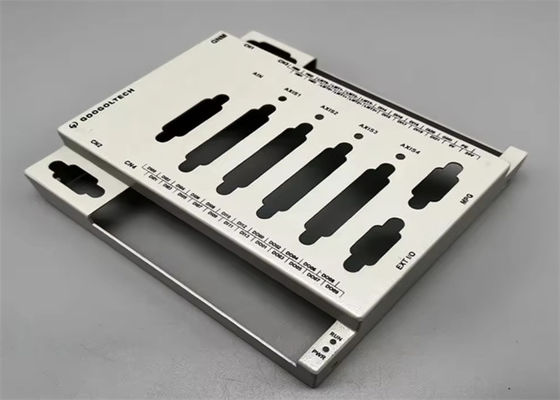
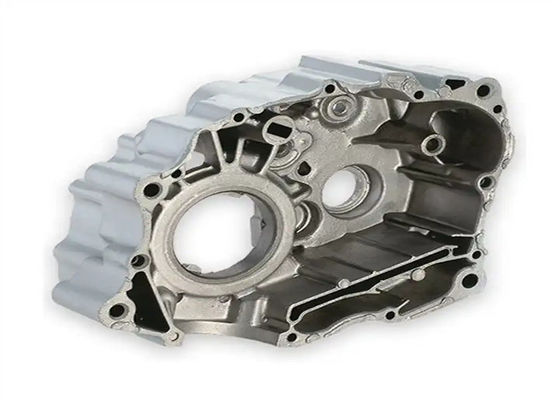
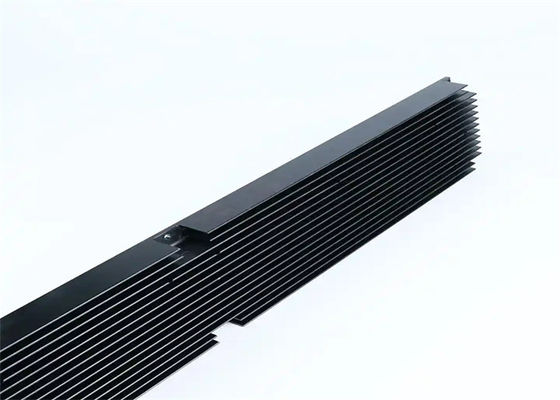
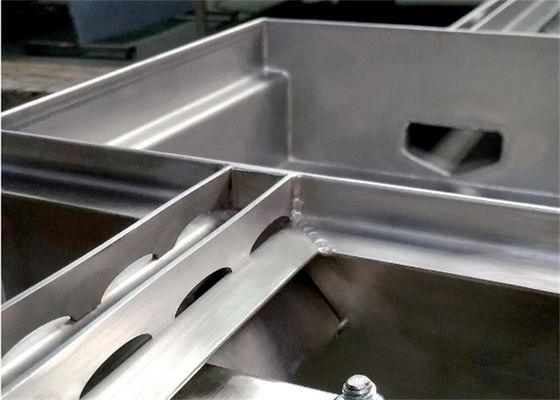
From aerospace components to consumer electronics, food processing equipment to high-performance sporting goods, CNC-machined aluminum parts permeate modern manufacturing. The process represents more than material removal—it embodies the synergy of materials science and engineering precision. By selecting appropriate alloy grades and optimizing machining parameters, manufacturers achieve cost-efficient production of high-tolerance components that meet rigorous industry standards.