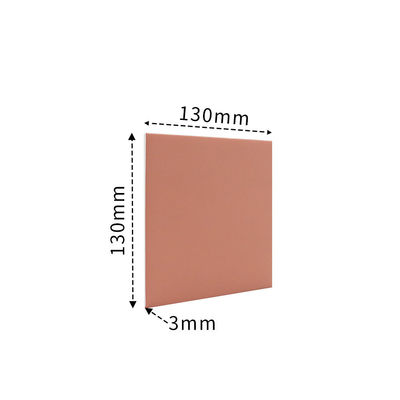
In an era where computing power reigns supreme, every pulse of a high-performance chip represents the heartbeat of technological progress. Yet few consider what prevents these silicon "hearts" from succumbing to their own generated heat. Within the compact architecture of electronic devices, thermal transfer efficiency often determines system stability and longevity. At the center of this thermal management system lies an unsung hero: the thermal pad.
Chapter 1: The Microscopic Heat Conductor
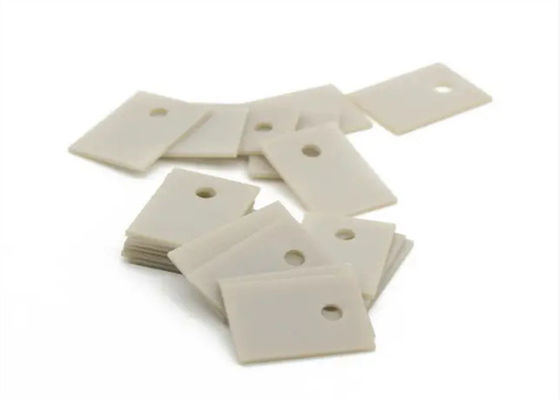
When processors handle massive workloads, the generated heat resembles molten lava seeking escape. However, the interface between chips and heat sinks isn't perfectly smooth at microscopic levels. These surface imperfections create air gaps—thermal insulators that trap heat and increase thermal resistance. Thermal pads solve this through engineered flexibility, filling microscopic voids with precision. Like liquid penetrating crevices, they eliminate air pockets to create efficient thermal pathways from chip to heatsink.
Chapter 2: Why Industry Giants Prefer Thermal Pads
The competition between thermal pads and traditional thermal paste reveals compelling advantages that explain why manufacturers like Intel and AMD favor pads in stock cooling solutions:
Manufacturing Efficiency: Unlike paste application which requires skilled labor, pre-formed pads enable one-step installation—eliminating inconsistencies while streamlining mass production.
Phase-Change Intelligence: Advanced pads maintain structural integrity at room temperature for easy handling, then soften when heated to achieve optimal surface conformity. This material science innovation ensures continuous thermal interface optimization during thermal cycling.
Long-Term Reliability: Unlike pastes that suffer from pump-out effects during thermal expansion, solid pads maintain consistent performance over years of operation without degradation.
Chapter 3: Performance Considerations and Installation Advantages
While premium thermal pastes may outperform pads in extreme overclocking scenarios, pads offer unique benefits. Their initial thermal cycling creates an increasingly effective interface as material flows into microscopic imperfections—evidenced by the characteristic adhesion when removing heatsinks.
Electrical safety remains paramount in electronics design. Standard thermal pads provide excellent electrical insulation, while specialized conductive variants serve niche industrial applications requiring electrical continuity.
Chapter 4: The Science Behind Effective Thermal Management
Thermal solutions require careful matching to specific applications. High-quality pads combine precise thickness control with rigorously tested thermal conductivity to ensure optimal heat transfer. Their maintenance-free operation provides lasting stability that eliminates frequent reapplication needs—a crucial factor for long-term device reliability.
Chapter 5: Thermal Management as Future-Proof Investment
In high-performance computing, effective cooling protects both equipment and investment. Thermal pads represent an often-overlooked but critical component in system design—their unassuming presence safeguarding against thermal throttling and premature component failure. As processing demands escalate, these materials will continue playing a vital role in enabling technological advancement while preserving device longevity.

 Your message must be between 20-3,000 characters!